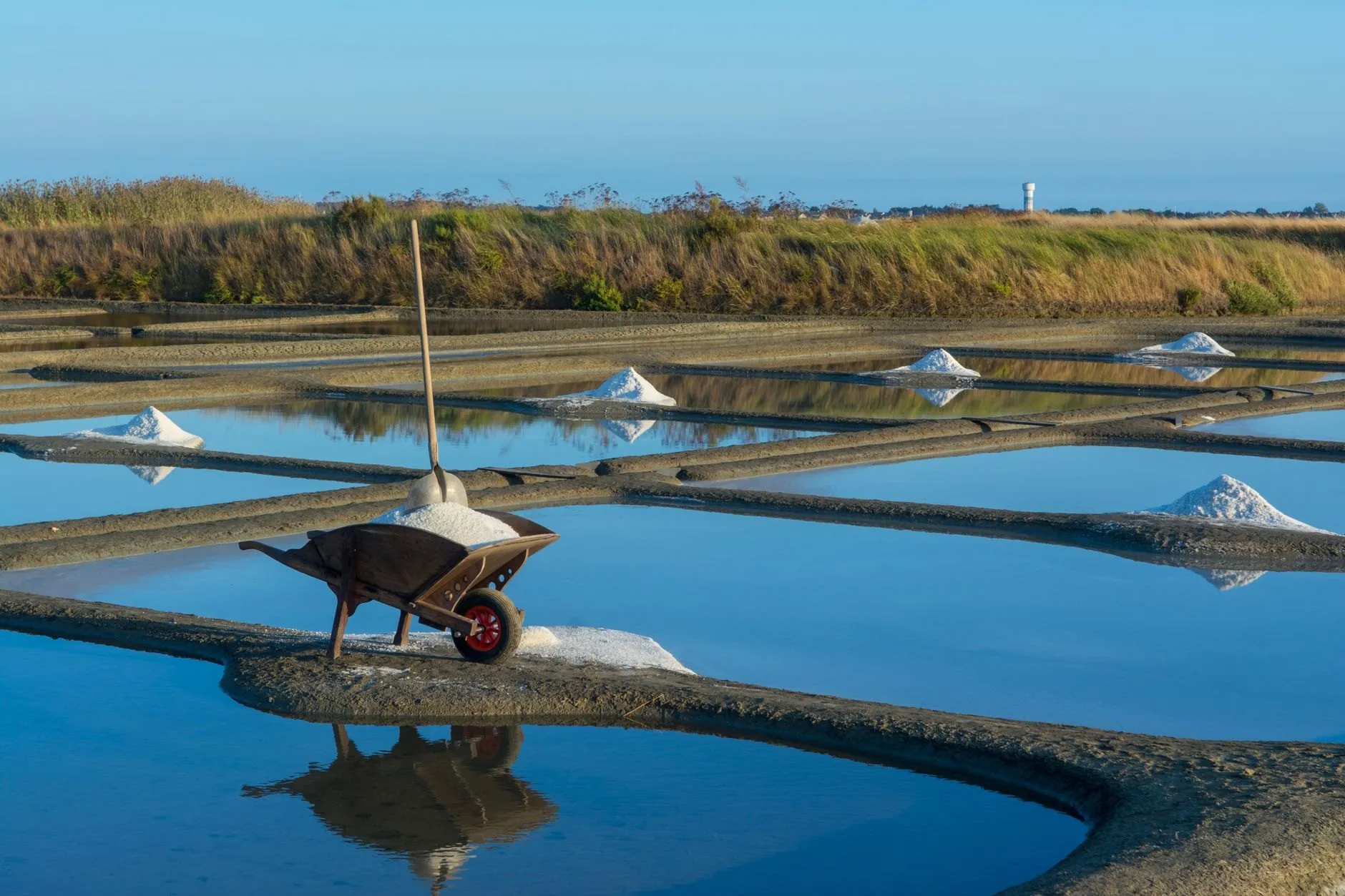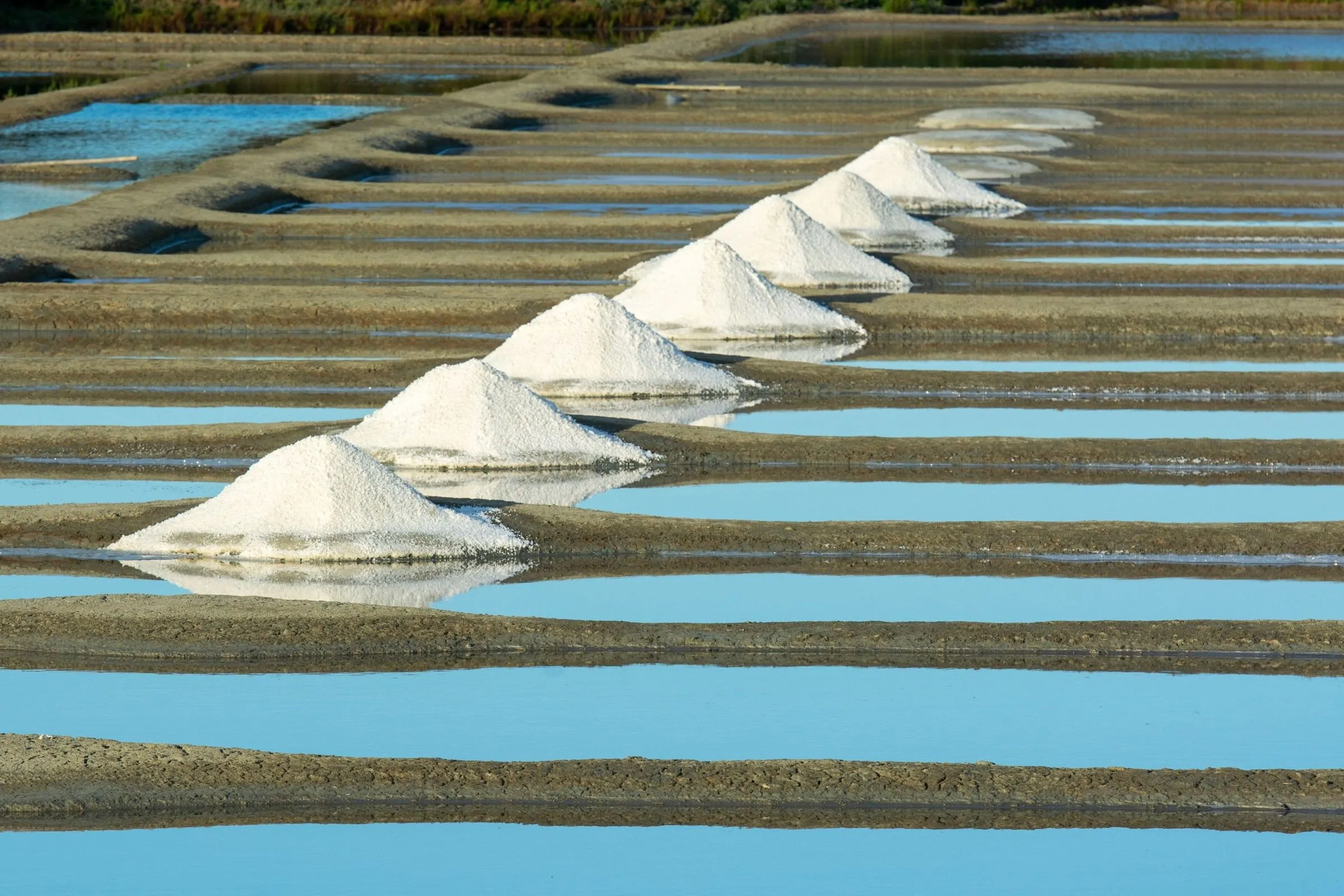
Harvested on the Norfolk marsh since 2011
Sea salt from the sun, raked by hand.
Nine shallow pans, one summer of wind and four rakers. Lowfield flakes, fleur de sel and cooking salts go from the marsh to your kitchen with nothing added and nothing taken out but water.
- Raked by hand Four people, nine pans, one season. No heat, no machines in the crystallisers.
- Nothing added No anti-caking agent, no iodine, no bleaching. Seawater, sun and wind.
- Free UK post over £40 Packed at the works and posted every Tuesday and Friday.
- Money back if not If a tub is not the best salt in your kitchen, we refund it. Keep the tub.
The shop
Six salts from nine pans
Two finishing salts for the table, two cooking salts for the stove, and two we flavour by hand in the old sluice house.
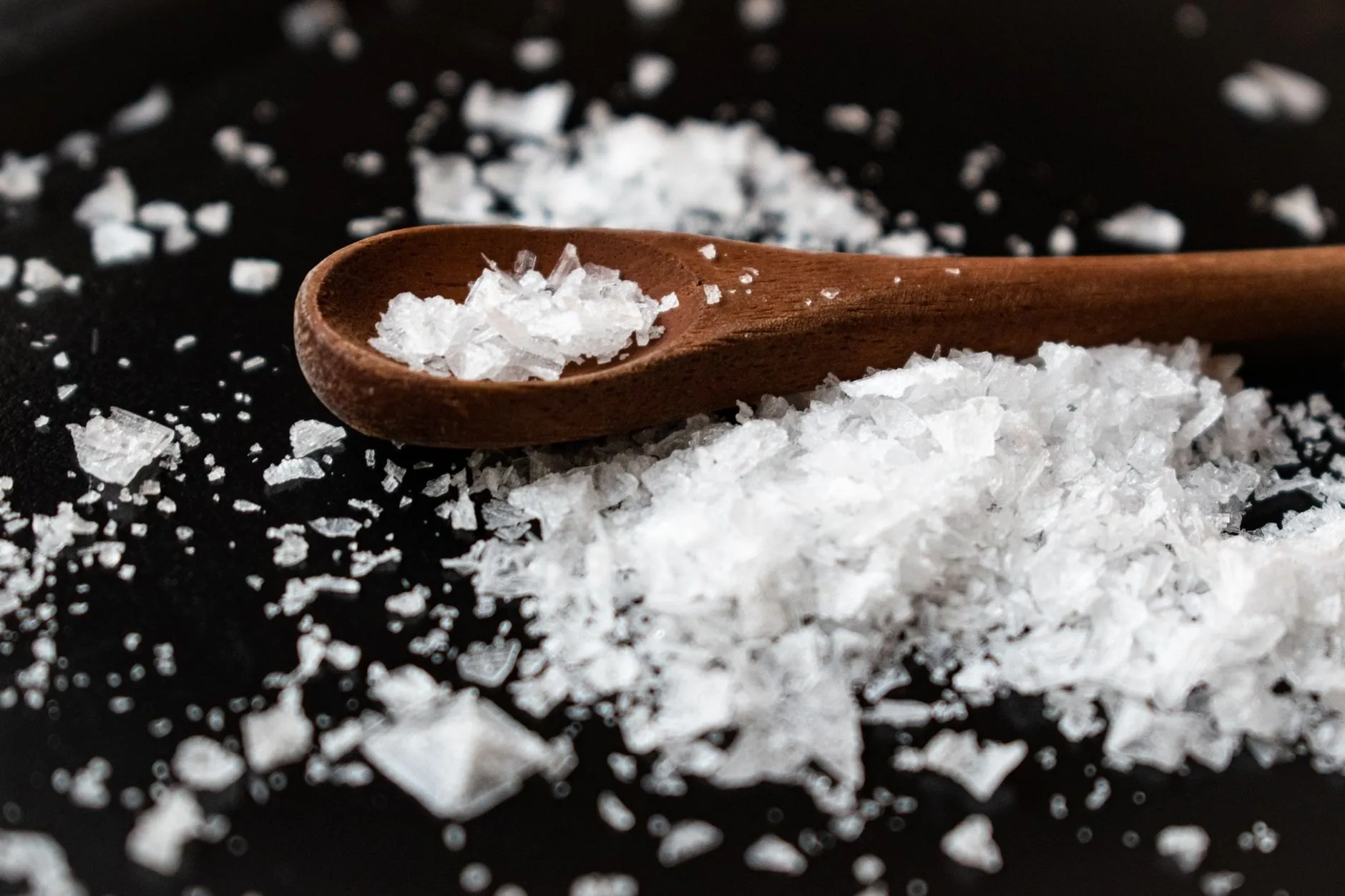
Finishing salt
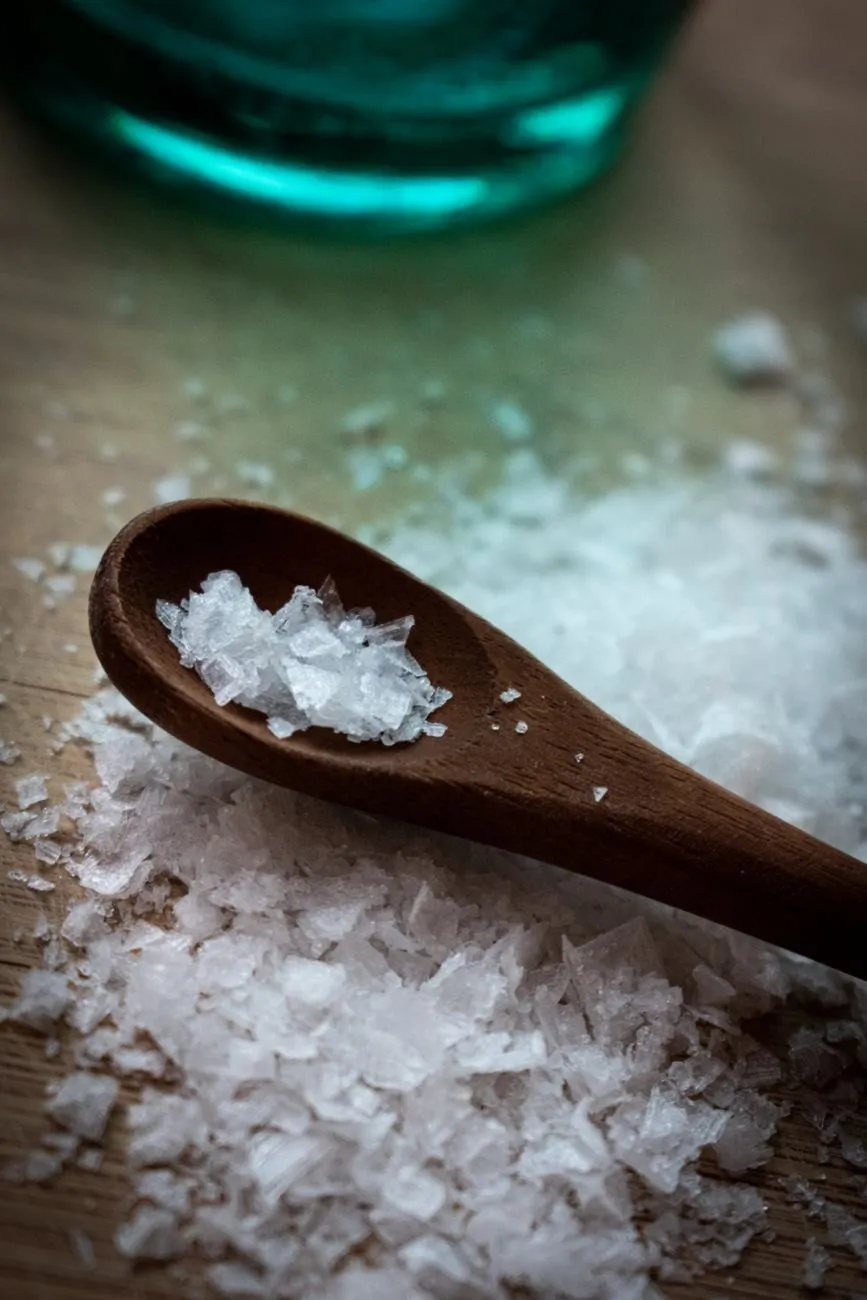
Sea salt flakes
Hollow pyramids, 3–8 mm, slightly damp
£7.50 · 250 g tub
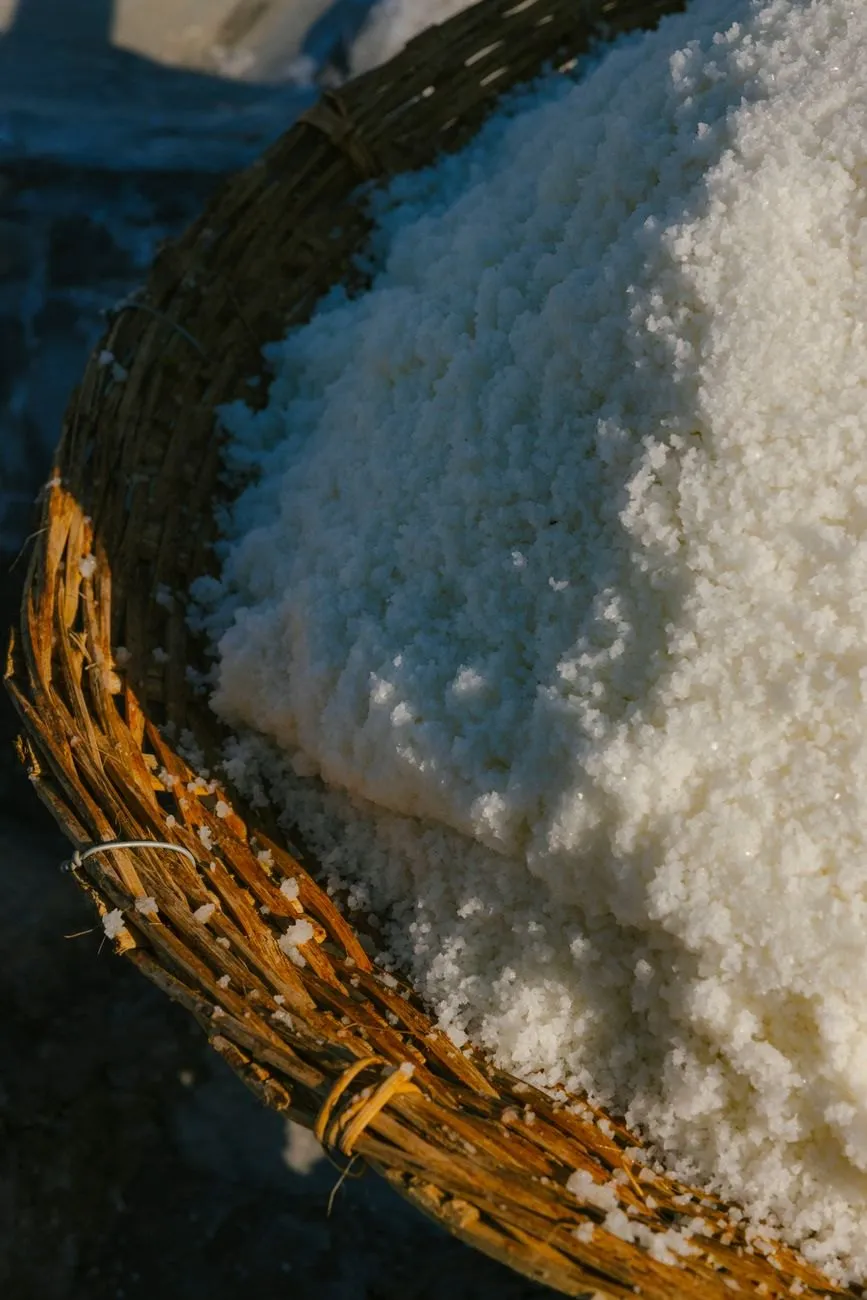
Finishing salt
Fleur de sel
Fine plates, 0.4–1.2 mm, damp
£11 · 125 g jar

Cooking salt
Fine sea salt
Under 0.5 mm, free-running
£4.50 · 500 g bag
Cooking salt
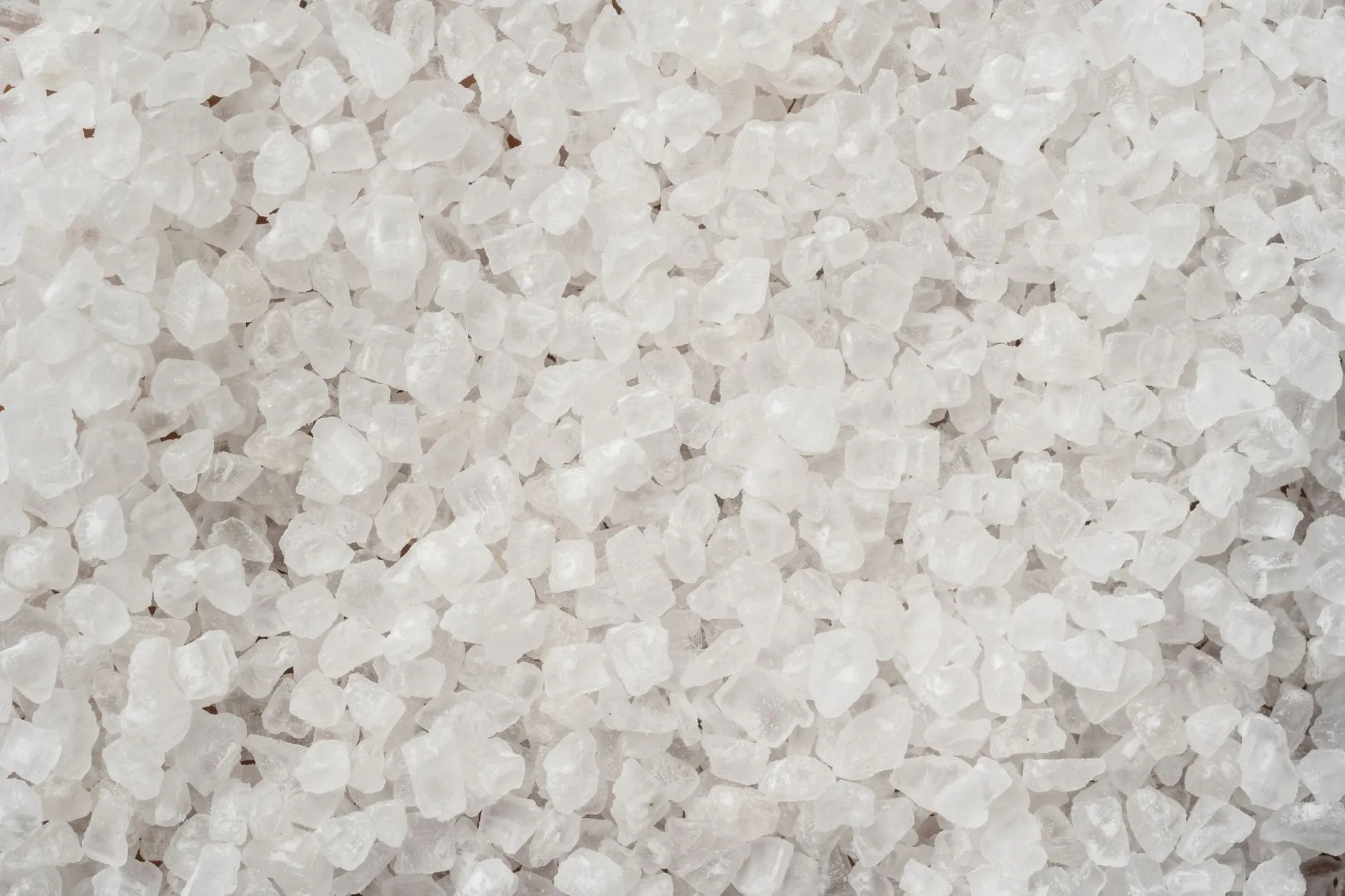
Coarse sea salt
Clear cubes, 1–3 mm
£6 · 1 kg bag
Flavoured salt
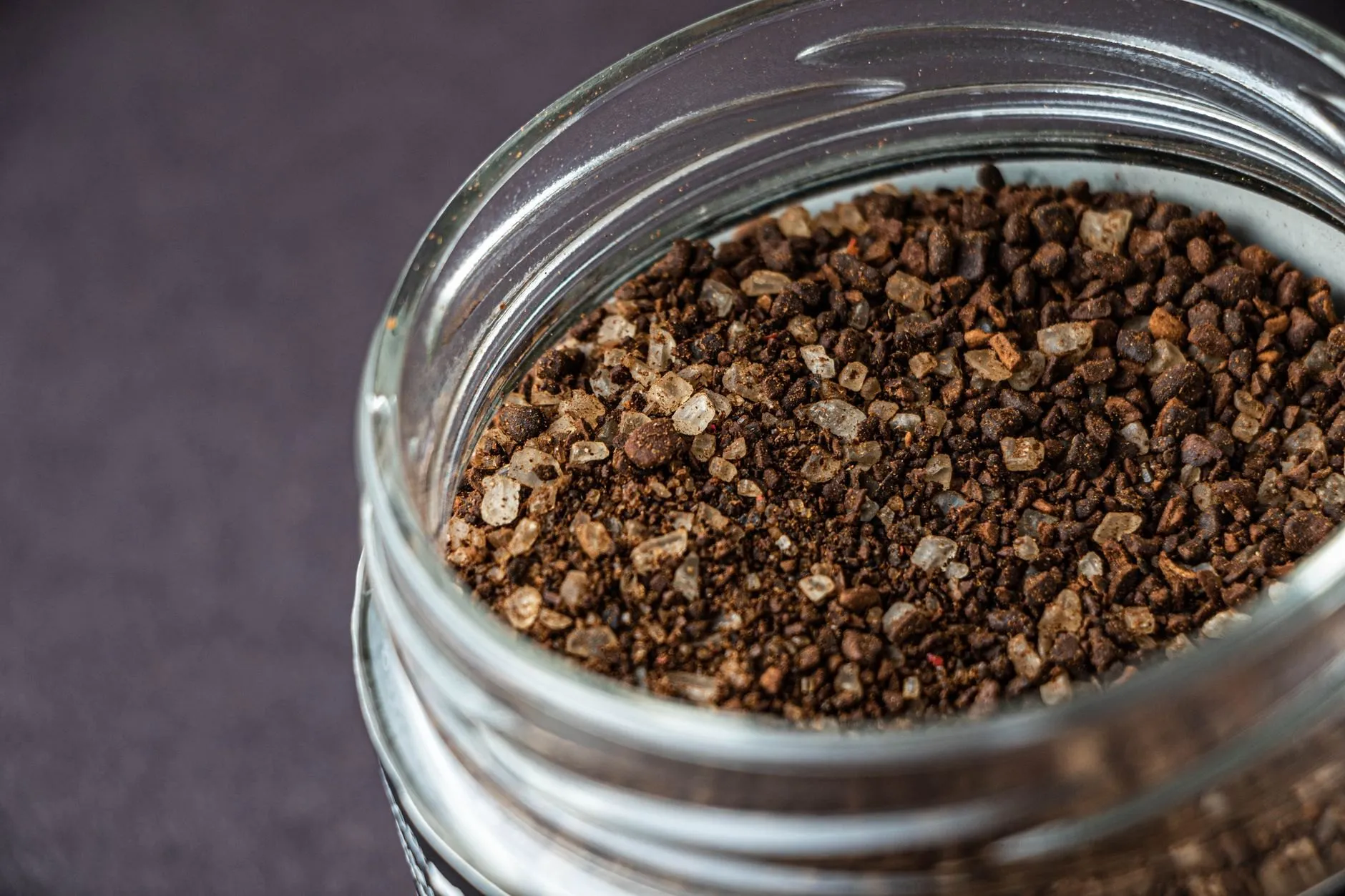
Oak-smoked flakes
Flakes, 3–6 mm, amber to dark brown
£8.50 · 150 g tin
Flavoured salt
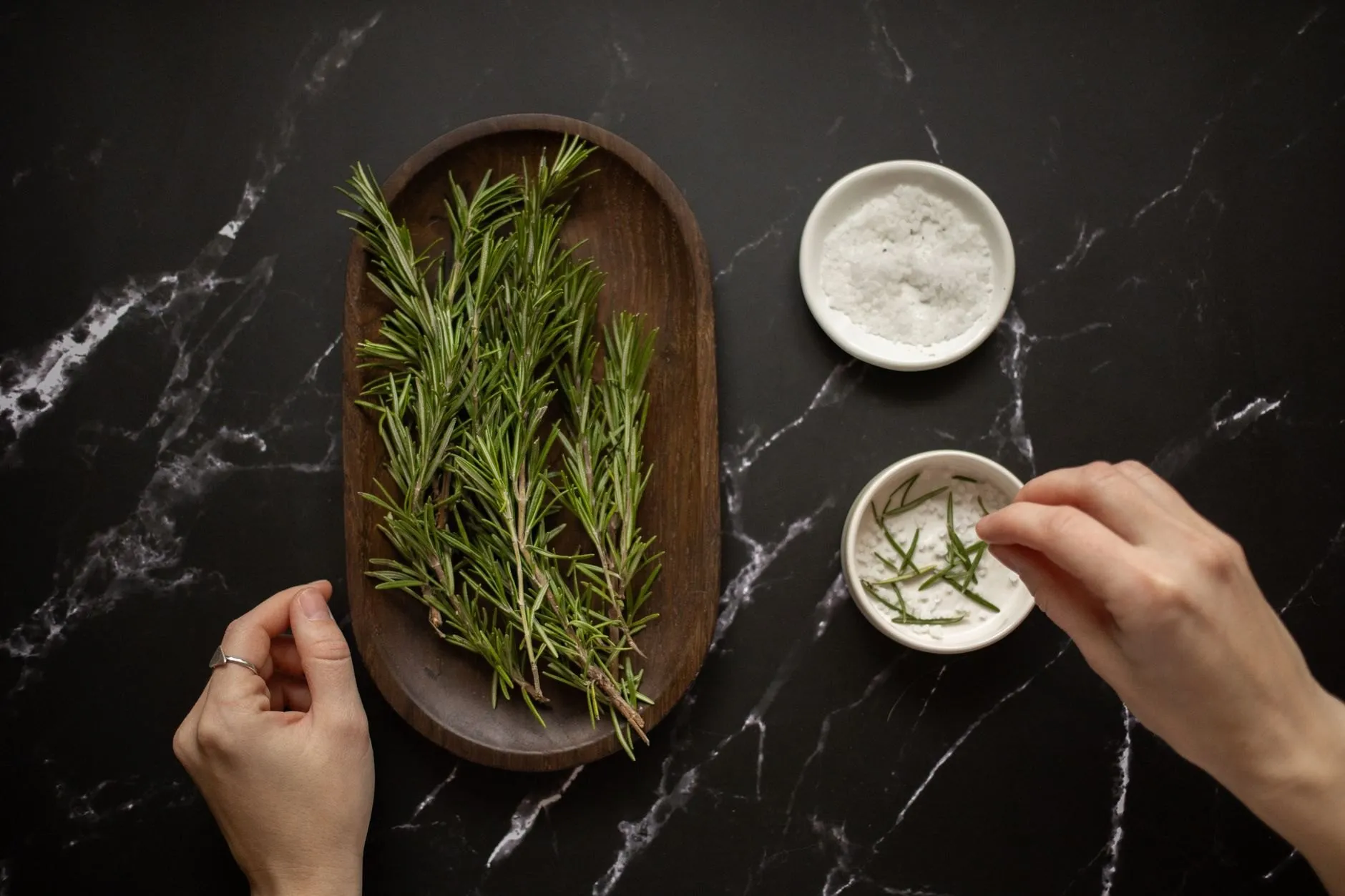
Rosemary & lemon salt
Flakes with rosemary and zest, 2–6 mm
£7.50 · 150 g tin
Why it tastes different
What does table salt leave out?
Table salt is mined, refined to pure sodium chloride and dosed with anti-caking agent so it pours. Ours is seawater that the sun has taken the water out of.
| Quality | Lowfield flakes | Table salt |
|---|---|---|
| Evaporated by sun and wind, not gas | ||
| No anti-caking agent or additives | ||
| Keeps its magnesium and calcium | ||
| Flakes that crunch on a hot plate | ||
| Traceable to one marsh and one season | ||
| Costs pennies a kilo |
A pinch of flakes is about 0.4 g — roughly half a penny's worth.

The works
311 tonnes a season, raked by four people.
Lowfield is a salt marsh behind the seawall that was worked for salt until 1910 and again since 2011. Seawater comes in through one sluice on the spring tides and walks through nine pans by weir, with no pump and no heat, until it is salt.
- Hectares of pans
- 26
- Tonnes of seawater per tonne of salt
- 39
- Season under cover before packing
- 1
How a season runs
From spring tide to salt tin
Every step between the sea and the tin happens on the marsh, by the same four people.
-

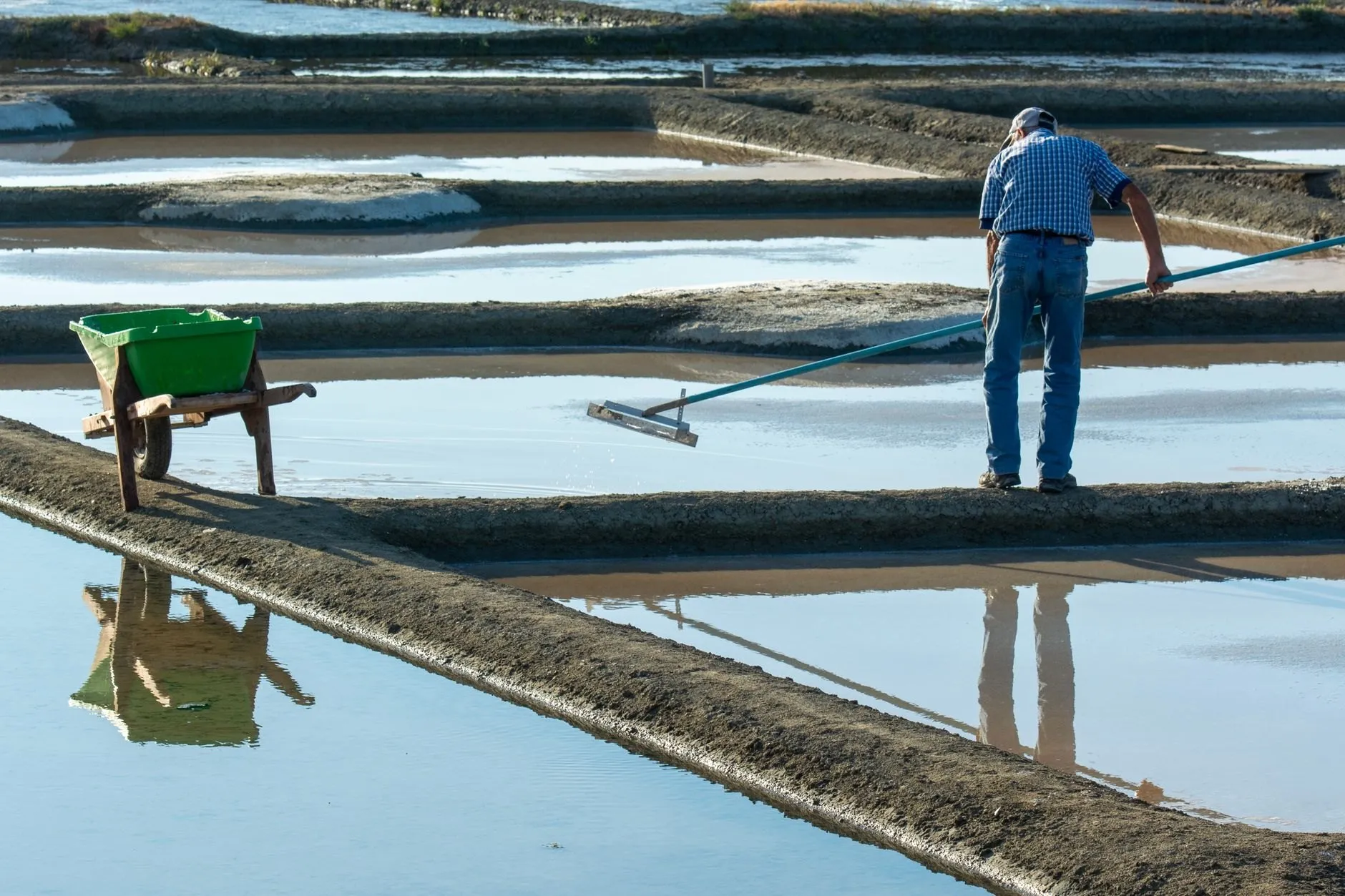
April
Flood
The sluice opens on a spring tide and the reservoir and condensers fill with seawater at 3.5 °Bé.
-
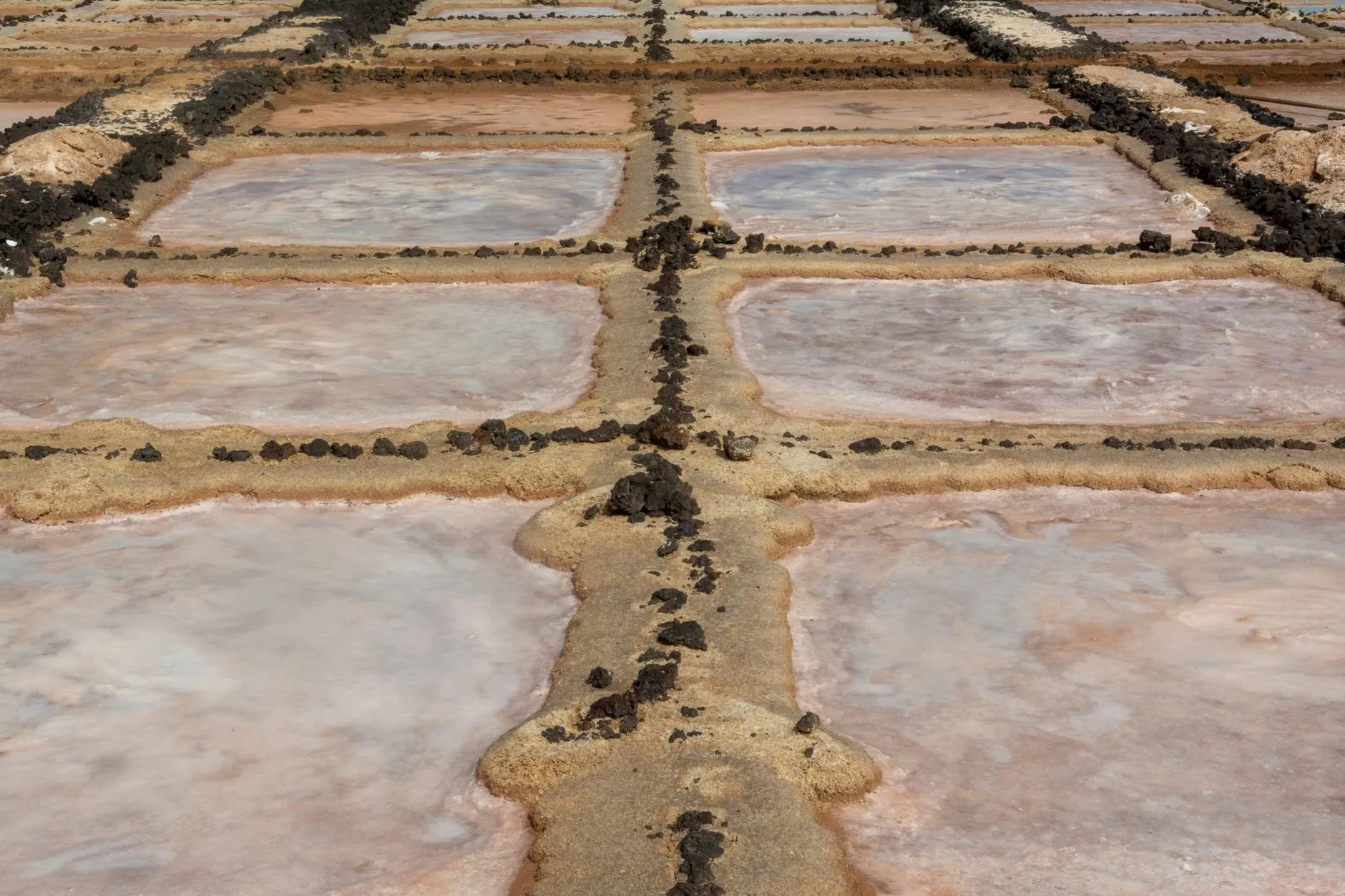
May–June
Concentrate
Brine walks from pan to pan by weir. Sun and wind take the water; the minerals we don’t want settle out on the way.
-
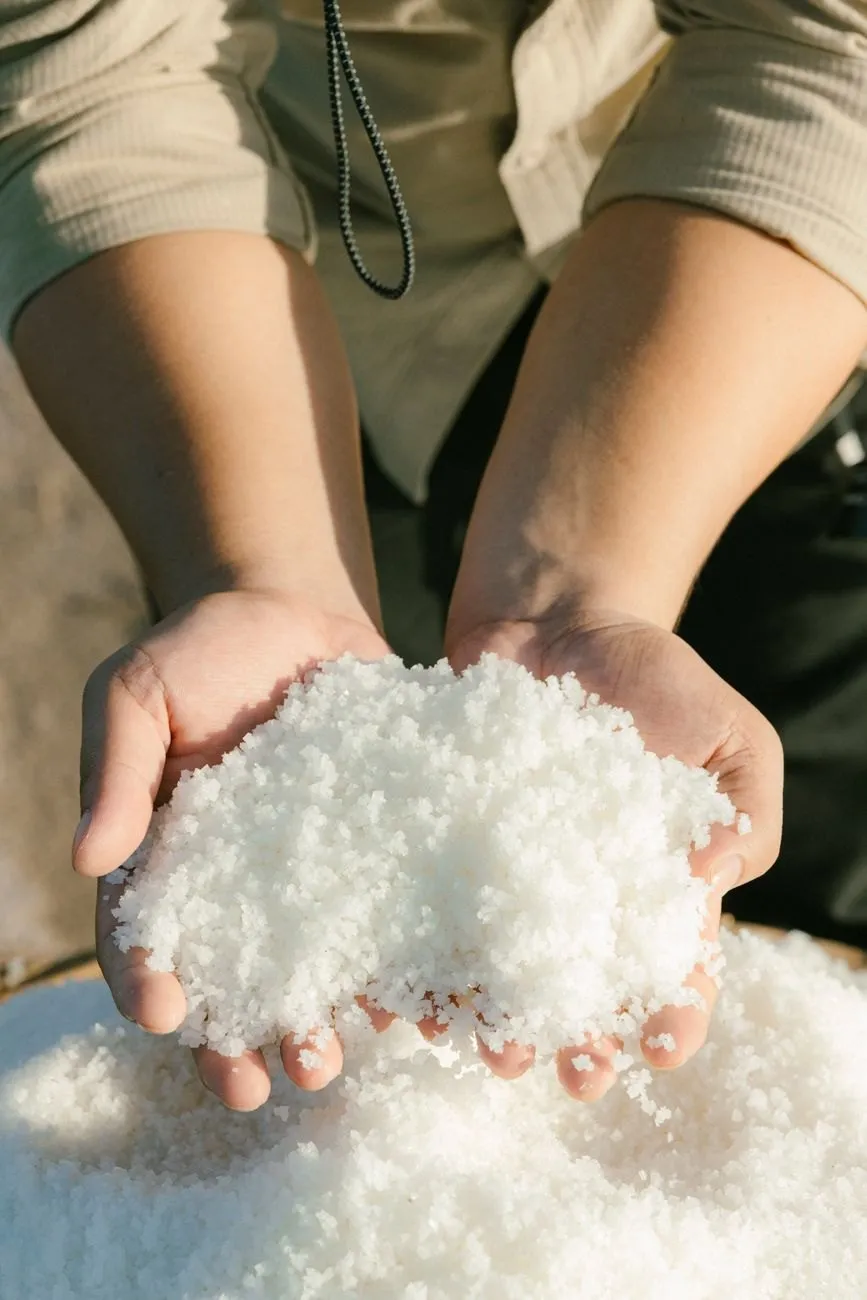
July
Crystallise
At saturation it reaches the six crystallisers. On a still morning the flakes form on the surface and are skimmed by hand.
-
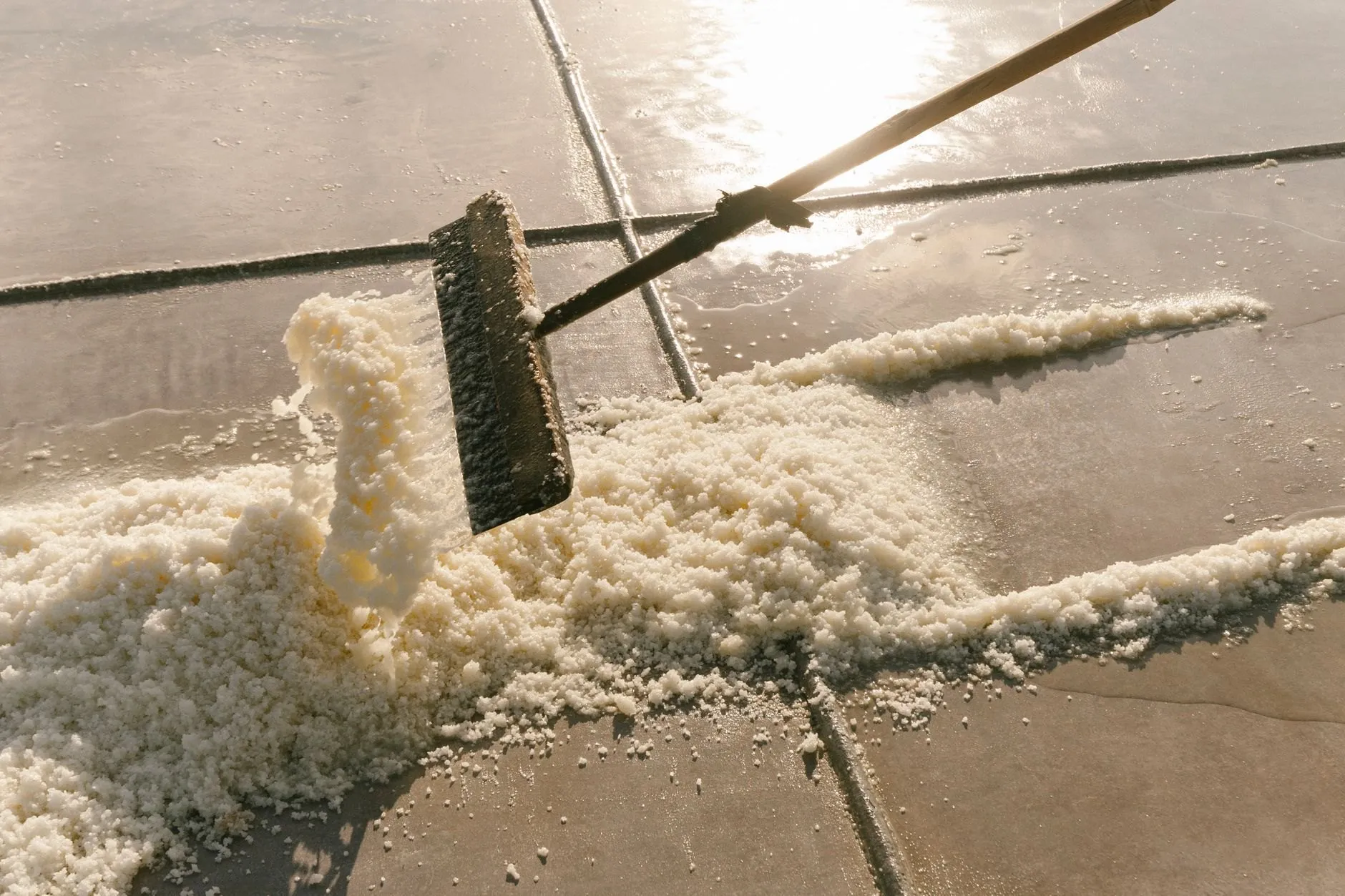
July–Sept
Rake
The coarse salt that falls to the floor is raked into ridges, left to drain overnight and barrowed to the mound.
-
All year
Rest and pack
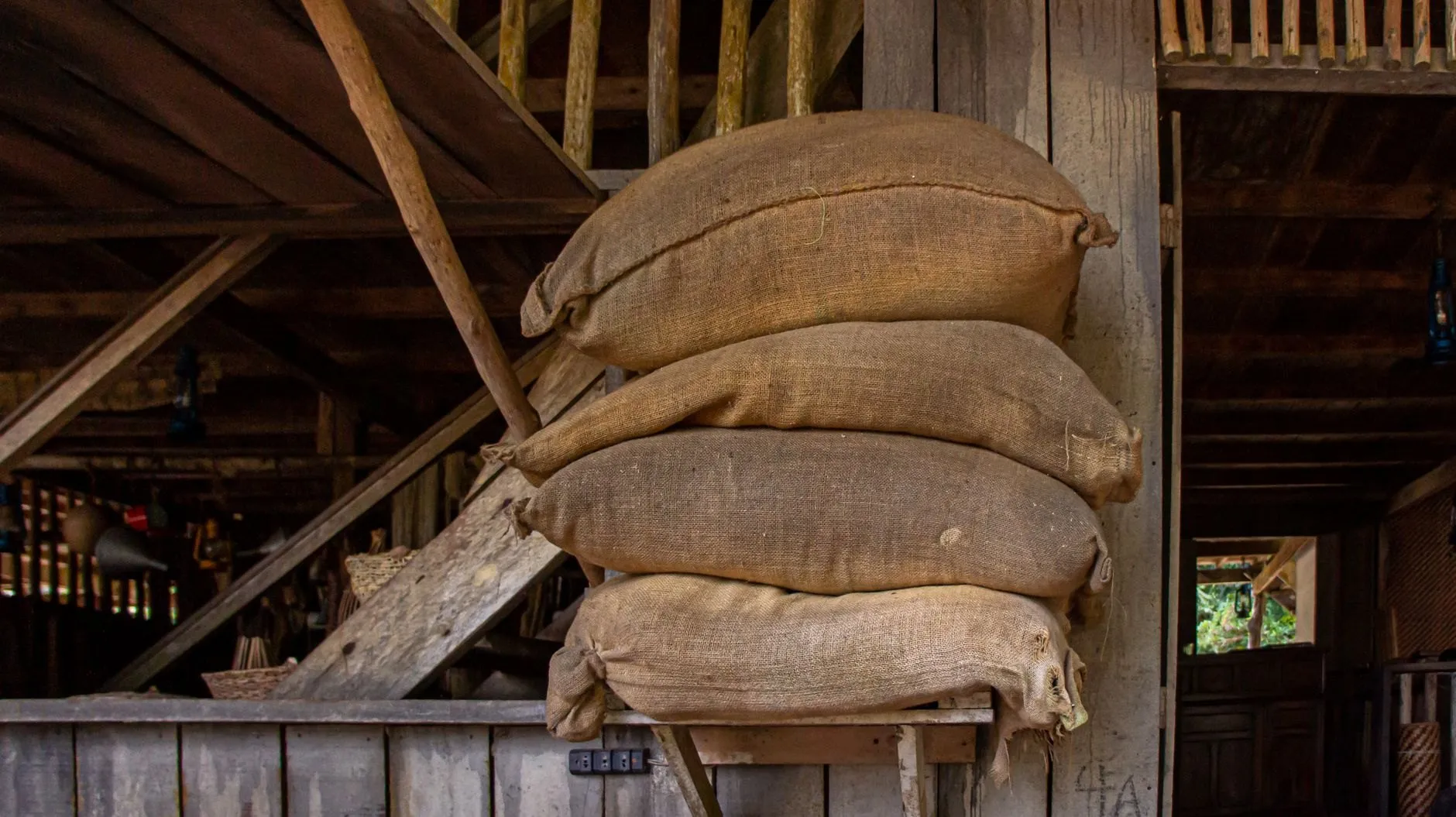
A season under cover dries it in the wind. Then it is screened, weighed and packed at the works.
Wholesale
Cooking for a restaurant or deli?
Trade prices drop at 5, 10 and 25 kg of any salt. Try the numbers, then open an account — it takes a day.
- Free sample box for every new kitchen
- Order by Wednesday, delivered Friday
- 30-day invoice after your third order
| Price per kg, ex VAT | 1–4 kg | 5–9 kg | 10–24 kg | 25 kg + |
|---|---|---|---|---|
| Sea salt flakes | £16.00 | £14.40 | £12.80 | £11.20 |
| Fine sea salt | £5.20 | £4.60 | £4.00 | £3.40 |
| Coarse sea salt | £4.60 | £4.10 | £3.60 | £3.10 |
| Oak-smoked flakes | £26.00 | £23.40 | £20.80 | £18.20 |
| Rosemary & lemon salt | £22.00 | £19.80 | £17.60 | £15.40 |
Minimum order 2 kg. Parcels up to 30 kg £9.00, pallets £45.00, free over £150.00.
In the kitchens we supply
Chefs on the salt
-
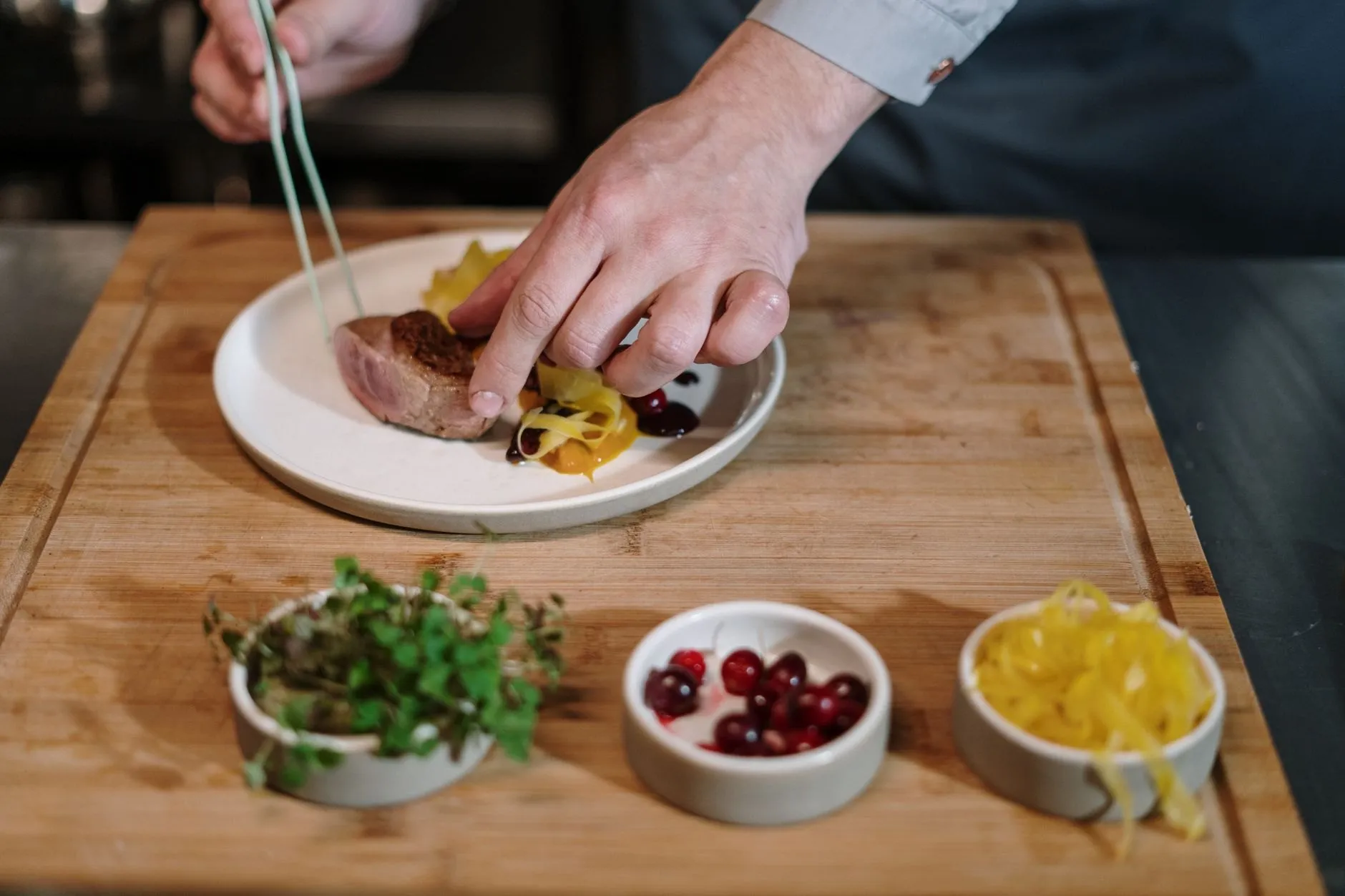
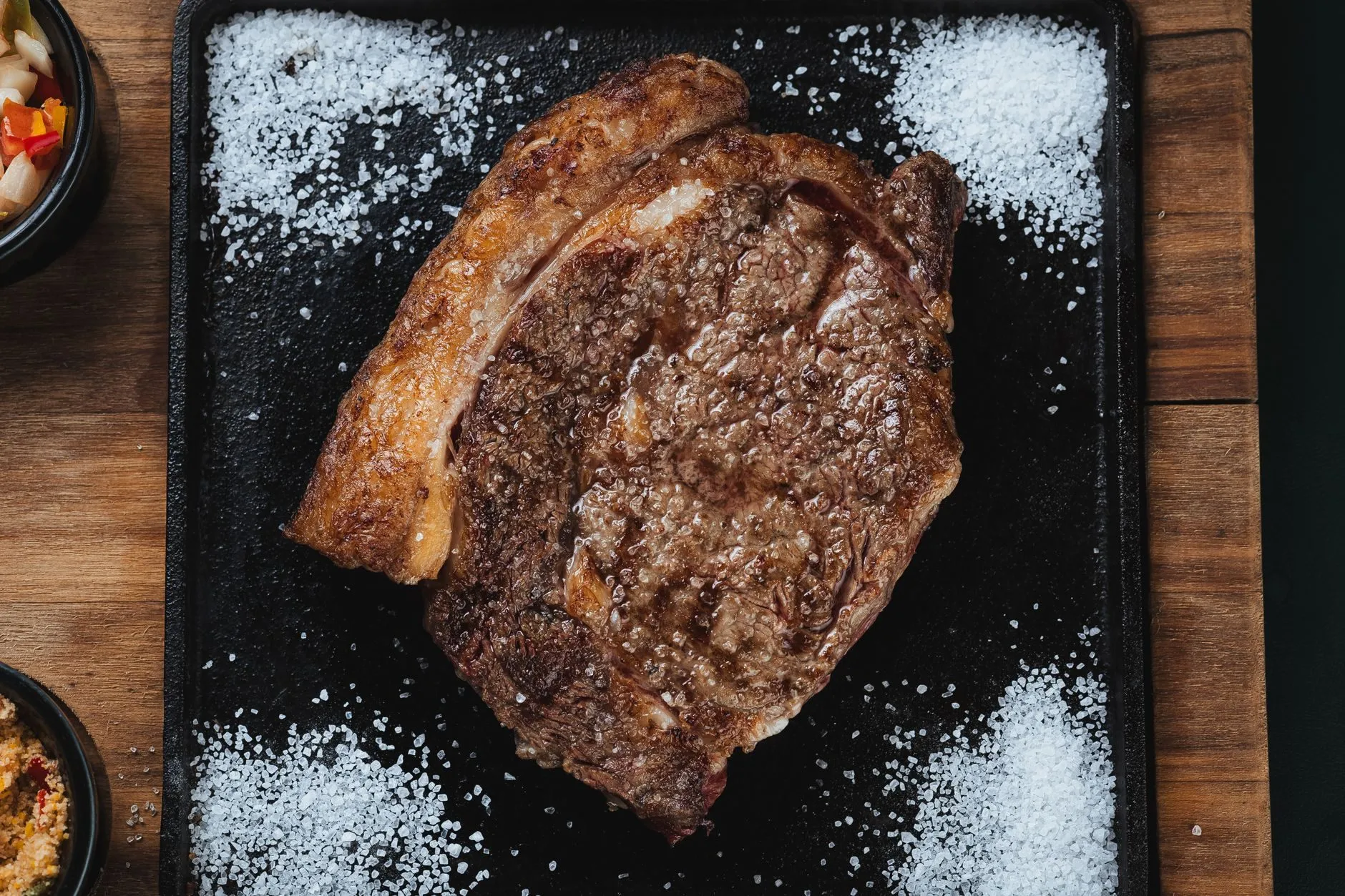
We finish every plate that leaves the pass with Lowfield flakes. The crystal holds its crunch on a hot steak for the walk to the table.
The Anchor Room Head chef, Wells-next-the-Sea -
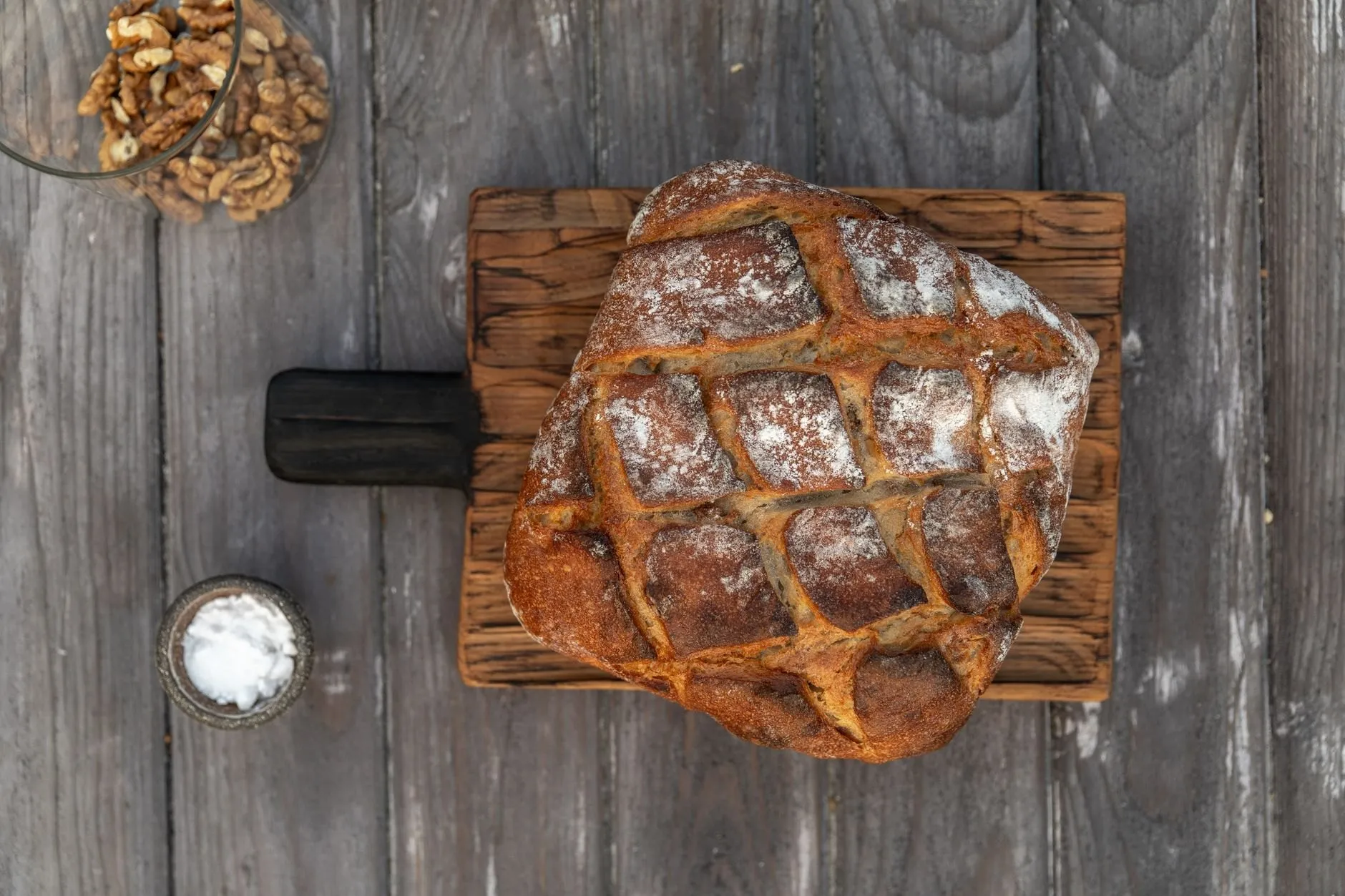
The fine salt weighs the same bag to bag, which is all a bakery asks. We moved all our bread over in a week.
Northgate Bakehouse Head baker, King’s Lynn -
Order by Wednesday, it is on the back step Friday. Four years, and they have never once been short.
Sedge & Samphire Chef-owner, Norwich
Recipes and notes
What to do with a tub of flakes

Questions
Asked at the gate shop
The answers we give most often, whether you are ordering a tub, a pallet or a pan walk.
- When will my order arrive?
- We post on Tuesdays and Fridays. Orders in by 10:00 on a posting day go out that afternoon and arrive in 1–2 working days by tracked Royal Mail. Postage is £4.50, free over £40.
- Why are the flakes slightly damp?
- Because we dry them in the wind, not in an oven. A little moisture keeps the crystals from shattering in the post. Keep the tub closed and they will stay that way for years.
- Is there anything added?
- Nothing. No anti-caking agent, no iodine, no bleaching. The smoked flakes are smoked over oak we split ourselves, and the rosemary salt is our flakes, dried rosemary and lemon zest.
- What is the minimum trade order?
- 2 kg in total, across any mix of salts. The price per kg drops at 5, 10 and 25 kg of a single salt.
- How do I open a trade account?
- Send the trade form with your business name and address. We set the account up the same day and send a first price list. Pay by card for your first three orders, then on 30-day invoice.
- How fast is trade delivery?
- Parcels up to 30 kg go by courier in 2–3 working days, £9, free over £150. Heavier orders go on a pallet in 3–5 working days for £45.
- Can I visit the saltworks?
- Yes. The gate shop is open every day from 08:00 to 16:00, May to September, and pan walks run on Thursdays at 14:00.
- What happens on a pan walk?
- Ninety minutes along the banks with one of the rakers, from the sluice to the crystallisers. You taste the brine at each pan and finish at the mound. £8 a head, twelve people.
- What should I wear?
- Flat shoes you do not mind getting salty and a hat. There is no shade anywhere on the works.
Walk the pans with the people who rake them
Thursdays at 14:00, May to September. Ninety minutes on the banks, a taste of the brine at every pan, and the gate shop open when you finish.